Shifts in Player Loyalty Rewards for Integrated Sports Wagering and Table Game Platforms Across Emerging Digital Markets
Écrit par Sofia Fischer · 5/10/2026
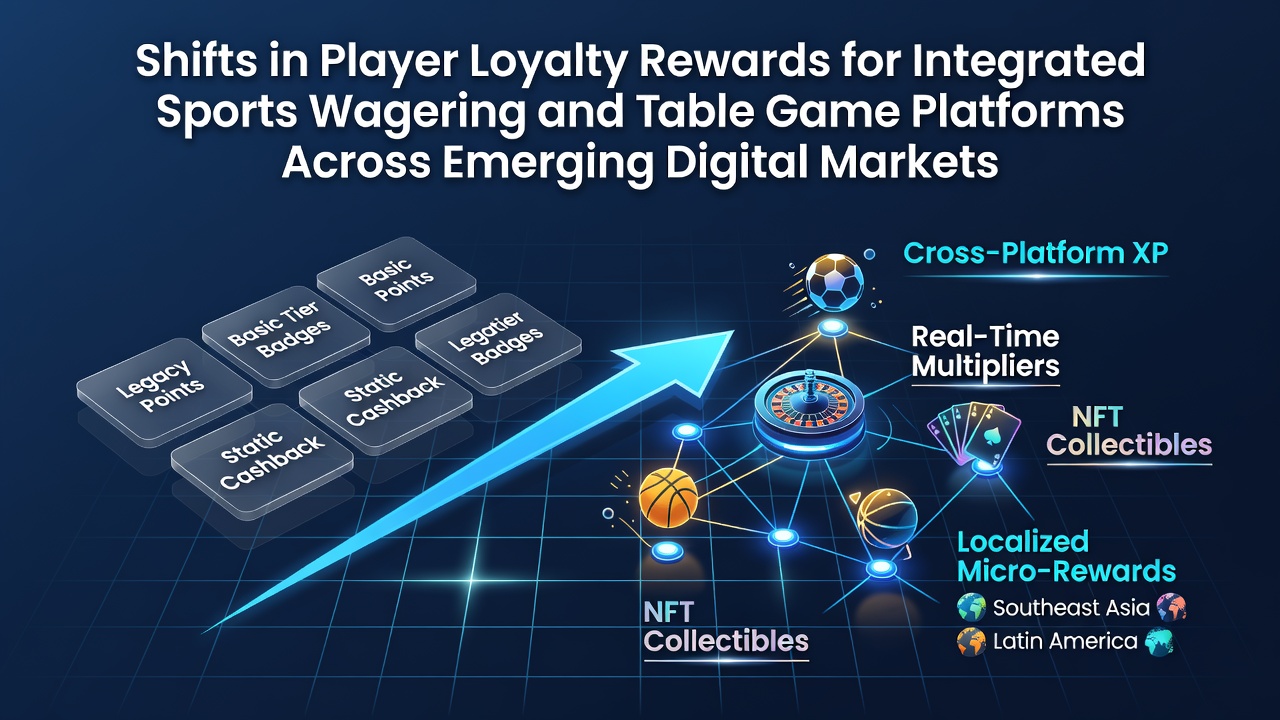
Shifts in Player Loyalty Rewards for Integrated Sports Wagering and Table Game Platforms Across Emerging Digital Markets
Player loyalty rewards have evolved considerably in recent years as operators integrate sports wagering with table game platforms across emerging digital markets in Asia, Latin America, and parts of Africa. These changes reflect broader adoption of mobile technology, regulatory adjustments, and data-driven personalization that connect rewards across multiple game types rather than treating them as separate silos.
Evolution of Reward Structures
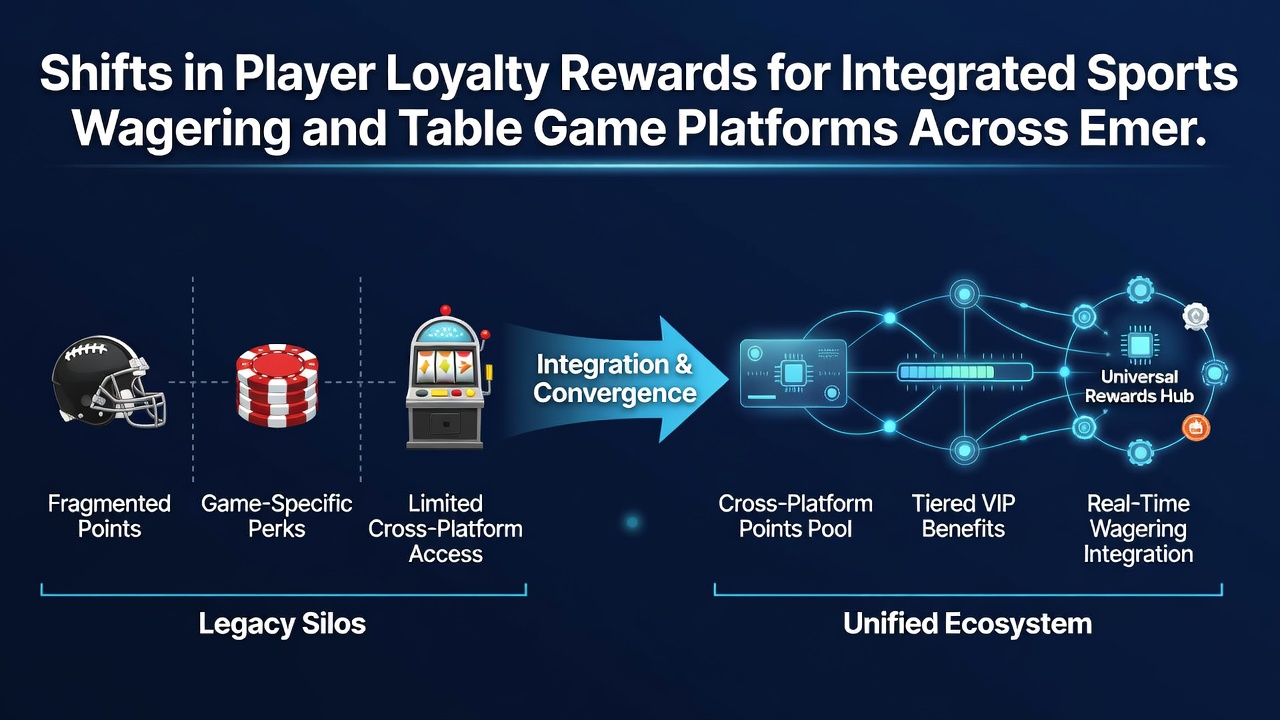
Traditional loyalty systems once relied on simple point accumulation tied to individual game categories, yet operators in markets such as Brazil and India have shifted toward unified programs that track activity across sports betting and table games on single platforms. Data from industry reports indicate that unified systems increase player retention rates because users earn and redeem rewards without switching between separate applications or accounts. In October 2026 several platforms in Southeast Asia introduced tiered rewards that automatically adjust based on combined wagering volume from both sports events and live dealer tables, a move that aligns with growing regulatory acceptance of integrated digital gambling services.
Integration Across Game Types
Operators achieve integration through centralized player accounts that combine real-time data from sportsbooks and table game servers, allowing rewards such as bonus credits, free spins, or merchandise to apply interchangeably. Researchers at the University of Macau documented how these systems reduce friction for users in high-growth regions where mobile penetration exceeds 80 percent, while also enabling operators to analyze cross-category behavior patterns. One platform operating in the Philippines adjusted its reward algorithm in late 2025 to prioritize table game activity during major sports seasons, resulting in more balanced engagement across both product lines according to internal metrics shared with industry analysts.
Regional Developments in Emerging Markets
Markets across Latin America have seen rapid regulatory updates that influence loyalty program design, with Brazil's framework requiring operators to disclose reward terms clearly and limit certain promotional mechanics. Platforms there now offer loyalty tiers that incorporate local payment methods and regional sports leagues alongside standard table game offerings, creating incentives tailored to domestic preferences. In Africa, operators in Nigeria and Kenya have introduced rewards denominated in digital currencies to accommodate users who prefer crypto transactions, a trend supported by data from the African Gaming Association showing increased participation when rewards align with local financial habits. These adaptations demonstrate how operators respond to both regulatory environments and user behaviors without relying on uniform global templates.
Technological Drivers Behind the Changes
Artificial intelligence and machine learning models now power reward personalization by processing vast datasets from integrated platforms, predicting which incentives will encourage continued play across both sports and table game segments. Operators in India have deployed these tools to deliver location-specific offers during cricket tournaments that also include table game bonuses, boosting overall platform usage as reported in studies from regional gaming research centers. Blockchain technology appears in some loyalty programs to provide transparent tracking of reward points, reducing disputes and allowing seamless transfer between sports wagering accounts and table game profiles. Such technical features support scalability in markets where user bases expand quickly and operators must manage high volumes of concurrent activity.
Regulatory and Compliance Influences
Government agencies in multiple jurisdictions have introduced guidelines that affect how loyalty rewards function within integrated systems. The Philippine Amusement and Gaming Corporation requires operators to maintain audit trails for all reward transactions, ensuring fairness across sports and table game offerings. Similar oversight in other emerging markets focuses on preventing excessive play through reward caps and mandatory cooling-off periods that apply uniformly regardless of game type. Observers note that these rules push platforms to design loyalty structures that remain compliant while still delivering value, often resulting in more transparent communication about earning rates and redemption options.
Case Examples from Key Markets
One operator in Brazil launched a cross-category loyalty initiative in early 2026 that rewarded users for placing sports bets on local football matches with credits usable on roulette and blackjack tables, leading to measurable increases in session length according to aggregated industry data. In Malaysia another platform adjusted its rewards to emphasize table game milestones during off-peak sports periods, balancing engagement through targeted promotions that drew from combined player histories. These examples illustrate practical applications of the broader shift toward integrated systems without relying on isolated product strategies.
Conclusion
Shifts in player loyalty rewards continue to reshape how operators approach integrated sports wagering and table game platforms in emerging digital markets, driven by technological capabilities, regulatory requirements, and regional user preferences. Programs now emphasize unified tracking, personalized incentives, and compliance measures that span multiple game categories. As markets mature through 2026 and beyond, further refinements will likely focus on data security, cross-border reward compatibility, and alignment with evolving payment ecosystems.